Perfume Oil for Diffusers: Types, Compatibility & Oil Selection Guide
Perfume oil for diffusion is not the same as personal perfume oil. Using the wrong oil in the wrong diffuser can lead to clogging, uneven scent output and wasted product. This guide explains diffuser-compatible oil types, formulation standards, refill frequency and how to choose the right option for home and commercial scenting
Types of Fragrance & Perfume Oils for Diffusion Systems
Not every perfume oil is formulated for diffusion. The four categories below cover the full range — from small residential use to larger commercial scenting requirements.
Cold-Air Diffuser Oils
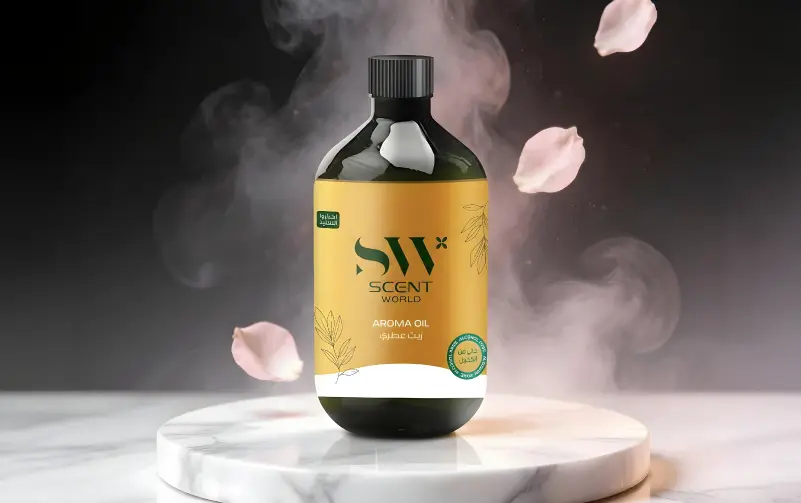
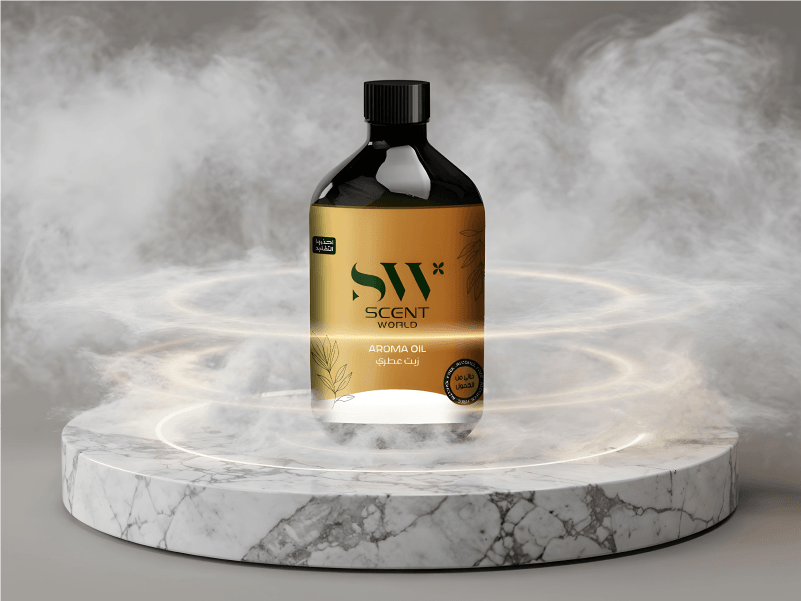
Formulated for heat-free diffusion systems. These essential oil perfume blends disperse cleanly through cold-air atomization without clogging internal components. Optimized viscosity ensures consistent scent throw across every cycle — compatible with all Scent World devices.
Nano Diffuser Oils
Viscosity and particle composition optimized for Twin-fluid atomization. These oils deliver fine, even scented oil diffuser performance — longer suspension in the air, lower consumption per hour and no residue buildup inside nano diffusion components.
Residential Aroma Oils
Subtle, balanced and low-consumption. These home fragrance oils are made for everyday personal use — quiet enough for a bedroom, refined enough for a living room. Ideal for spaces up to 100m² where gentle ambient scenting is the goal.
Commercial & Wholesale Refill Oils
High-concentration wholesale perfume oils available in 100ml, 200ml and 500ml for hotels, offices and retail chains. Commercial spaces often require more frequent refill planning and larger-volume oil supply — bulk ordering and scheduled refill contracts are available for venues operating continuously.
Quality in a perfume oil starts before the bottle is filled. Every diffuser oil blend in the Scent World range is tested for stable atomization, zero combustion risk and clean performance inside nano and cold-air systems.
What that means in practice:
Formulated for heat-free diffusion — pure oil composition for consistent scent throw in every cycle
Designed to reduce clogging risk — safe for continuous cold-air operation without chemical breakdown
Designed for cleaner operation — particle consistency tested across compatible diffuser components
Reduced residue buildup — helps protect your device and extend its operational lifespan
All diffuser-grade perfume oil blends from Scent World are produced under controlled formulation standards and batch-tested for viscosity stability
Fragrance Oil Consumption & Refill Frequency
How long does a bottle of perfume oil last? It depends on four factors:
Diffuser model — nano systems consume less oil per hour than spray-based units
Coverage area — larger spaces run at higher intensity and consume faster
Intensity setting — dropping one level can significantly extend your refill interval
Daily runtime — a hotel lobby running 16 hours consumes far more than a bedroom running 4
Most home setups using home fragrance oils land between 3–6 weeks per refill. Commercial spaces often require more frequent refill planning and larger-volume oil supply.
Choosing the Right Perfume Oil Strength for Your Space
The wrong intensity disrupts the experience. Too weak and the scent goes unnoticed. Too strong and it becomes intrusive. A simple guide to selecting the right perfume oil strength for your space:
What is the difference between perfume oil and fragrance oil?
Perfume oil is a broad term covering any concentrated oil-based scent — whether for skin, fabric or diffusion. Fragrance oils in the diffusion context are specifically formulated for cold-air and nano scenting systems. The key difference is viscosity and composition: a diffusion-grade essential oil perfume blend must atomize cleanly without leaving residue — a standard that most generic perfume oils do not meet.
Are all perfume oils suitable for home diffusers?
Not all perfume oil products are formulated for diffusion. Many are designed for skin application or fabric use — different viscosity, different carrier composition. For home diffuser use, always confirm the oil is specified for cold-air or nano diffusion systems. Scent World home fragrance oils are formulated and tested specifically for diffuser compatibility.
What concentration of perfume oil is best for commercial spaces?
Commercial environments — hotels, retail floors, malls — require high-impact wholesale perfume oils formulated for continuous operation and wider coverage. Standard residential concentrations are generally insufficient for large open spaces. Scented oil diffuser systems in commercial settings typically require oils matched to the specific device model and coverage area.Contact us for a tailored commercial oil recommendation.
How do I know when to replace my fragrance oil refill?
Most devices have a low-oil indicator or audible alert when the reservoir needs refilling. For nano scented oil diffuser systems, output consistency is the clearest signal — if scent throw weakens or becomes uneven, check the oil level first. Refill frequency varies by model: residential units typically need refilling every 2–6 weeks; commercial systems running 12–16 hours daily may require more frequent attention.
Customer Care
We support you beyond, ensuring your space—home or business—always leaves an unforgettable impression.
Fast Free Shipping
Enjoy free delivery across the UAE on all orders of AED 100 or more. Quick dispatch for orders placed before 2 PM.
Returns & Exchanges
14-day returns for unopened items, and 7-day support for damaged or defective products.
Secure payment
Pay with confidence. Credit and debit cards are processed securely, and we do not store your payment card details on our servers.
Log in
By continuing, you accept the Website Regulations , Regulations for the sale of alcoholic beverages and the